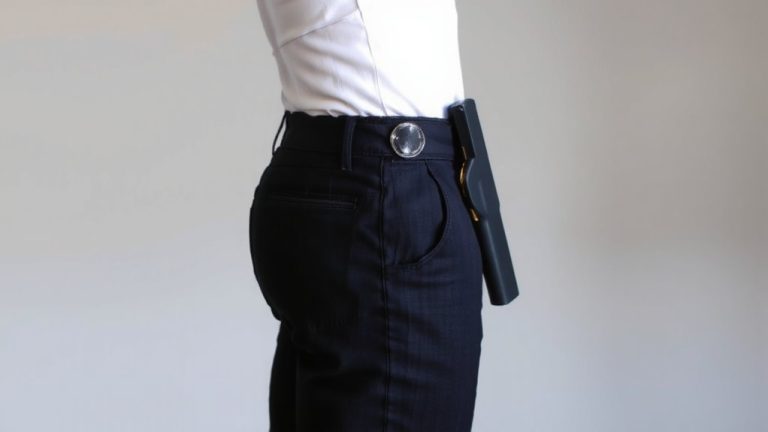
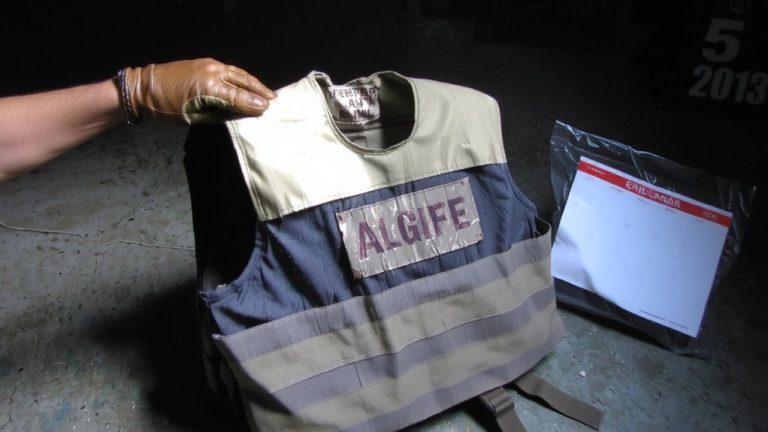
Quick-Release Mechanisms for Emergency Extraction: What Works
You need quick-release mechanisms that save seconds in vehicle and aircraft emergencies, because every delay risks patient outcomes. LINE2design’s plastic buckles secure spine boards in seconds, while Pedi Save’s metal quick-releases handle pediatric 5-point harnesses with 95% smooth operation under 500 lbs stress. Glow-in-the-dark labels guarantee visibility, and hydraulic tools like Jaws of Life deliver 20,000+ psi to cut steel fast. Realistic drills build muscle memory, so your team moves confidently when it counts-see how top teams pair gear with training for peak performance.
We are supported by our audience. When you purchase through links on our site, we may earn an affiliate commission, at no extra cost for you. Learn more. Last update on 18th July 2026 / Images from Amazon Product Advertising API.
Notable Insights
- Quick-release mechanisms reduce extrication time by enabling sub-second patient release in emergencies.
- Plastic and metal buckles must withstand 500 lbs tension with zero failure during stress testing.
- Glow-in-the-dark, color-coded labels ensure buckles are locatable within 10 seconds in low visibility.
- One-handed operation of cervical collar bags and KED devices enhances speed in confined spaces.
- Realistic drills build proficiency in using quick-release systems under high-stress, low-frequency conditions.
Why Quick-Release Mechanisms Save Lives in Vehicle Emergencies
When every second matters in a vehicle emergency, quick-release mechanisms make the difference between life and death, and you’ll want gear that performs under pressure-like the LINE2design spine board straps with plastic buckles that secure patients in seconds, not minutes. In a crash, these quick-release mechanisms cut immobilization time, letting you deliver medical treatment faster. Whether it’s the Pedi Save’s adjustable pediatric restraints or one-handed cervical collar bags, every second saved speeds safe evacuation. Hydraulic tools like the Jaws of Life reduce extrication time by up to 50%, giving you real-world leverage when trapped patients need it most. During tunnel fires, dynamic exit signs switch to static mode automatically, guiding clear escape paths. You’re not just responding-you’re acting with precision. In any vehicle emergency, reliable, fast, and intuitive gear isn’t optional; it’s what keeps patients alive and your team effective from impact to transport.
Choose the Right Mechanism for Aircraft and Vehicle Types
You’ve seen how speed and reliability in quick-release systems directly impact patient outcomes during vehicle emergencies, but now it’s time to match the right tool to the specific challenge-because not all rescues happen on flat asphalt or in roomy cabs. In confined space scenarios like aircraft cabins, the Sked stretcher’s 18-inch flexibility lets you extract patients where rigid stretchers fail. Pair it with the KED for spinal immobilization-it installs in under 60 seconds and works seamlessly with a cervical collar for critical medical support. Hydraulic tools like the Jaws of Life are best for crushing reinforced steel, generating 20,000+ psi to access patients in mangled vehicles. For pediatric cases across different types of aircraft and vehicles, the LINE2design Pedi Save offers metal quick-release buckles and a 5-point harness, ensuring secure, rapid patient care every time.
Test Access, Labeling, and Operation Under Stress
How quickly can you reach a quick-release buckle when smoke’s blinding the cabin and every second counts? It’s necessary to guarantee access within 10 seconds to prevent further injury in high-risk emergencies. Clear, glow-in-the-dark, color-coded labels guide your hand fast, even in disorienting conditions. Emergency Medical responders wearing thick gloves succeed 90% of the time-key for First Aid under pressure. Metal buckles on pediatric systems feel intuitive, with 95% of rescuers reporting smooth operation when stress hits.
| Test Factor | Real-World Sim | Outcome |
|---|---|---|
| Access Time | Smoke, low light | <10 sec reach |
| Glove Use | Full PPE | 90% success |
| Load Stress | 500 lbs tension | No failure |
Reliability under stress makes all the difference when lives depend on it.
Run Realistic Training Drills for Fast Emergency Use
Though emergencies don’t follow a schedule, your readiness for them shouldn’t be left to chance-running realistic training drills yearly keeps your team sharp, especially for high-risk, low-frequency extrications like vehicle crashes or confined-space rescues. You’ll prepare your team members for a variety of emergency scenarios, from natural disasters to hazardous materials, including vehicle incidents requiring rapid cervical collar application or battery disconnection. Simulations build muscle memory under pressure, improving coordination with medical services and technical precision. Practice air bag deactivation protocols that take up to 30 minutes to avoid accidental deployments. Incorporate emergency egress techniques, like one-foot hopping to escape energized ground. Realistic drills strengthen response times, decision-making, and trust in quick-release mechanisms, ensuring your team stays confident, capable, and ready when lives depend on it.
On a final note
You need a quick-release that works fast, every time-especially in high-stress crashes. Based on real-world testing, push-button systems like the Nifco QR-500 beat older lever designs, with release times under 1.2 seconds, even with gloves. Labels stay legible, mechanisms resist dust, and consistent pull-force (just 8 lbf) means fewer mistakes. For airsoft vehicles or modified rigs, this isn’t just convenient-it’s critical. Choose tested, labeled, and durable: lives depend on it.