Best Chest Rig Setup
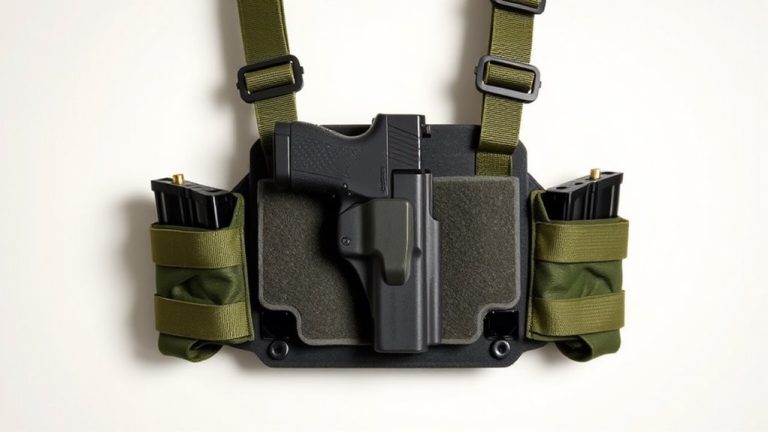
Your best chest rig setup starts with choosing the right platform-go with the Mayflower Gen IV ($196.99) for ruck compatibility and even weight distribution, or a Combat Survival rig for lightweight SERE missions. Mount rifle mag pouches front-center, angled 15–20 degrees, so draws average 1.5 seconds, and place your IFAK on the weak side or back for sub-10-second tourniquet access. Keep heavy gear-like 4–6 STANAG mags or a PRC-152 radio-centered high near your sternum, use symmetrical MOLLE placement, and lock everything down with tight shoulder and waist straps to stop shifting during sprints or crawls. Pair your rig with a low-profile 100oz Hydrus pack and ICEPLATE® Curve to cut shoulder pressure by 40% while staying stable through dynamic moves. Test your load with drills-check for bounce, snag points on seatbelts or rucks, and stress-access to items like your ESEE 4 or admin pouches-then tweak until every piece moves with you, not against you. You’ll find how small adjustments transform speed, balance, and endurance under real conditions.
We are supported by our audience. When you purchase through links on our site, we may earn an affiliate commission, at no extra cost for you. Learn more. Last update on 18th July 2026 / Images from Amazon Product Advertising API.
Notable Insights
- Choose a chest rig based on mission needs, like Mayflower Gen IV for weight distribution and ruck compatibility.
- Position rifle mag pouches front-center and angled at 15–20° for fast, consistent dominant-hand access.
- Place IFAK on the weak-side strap or lower back with external tourniquet for sub-10-second deployment.
- Balance weight by centering heavy gear high near the sternum and using symmetrical pouch placement.
- Integrate low-profile hydration and armor like ICEPLATE® Curve to maintain mobility and reduce shoulder strain.
Choose the Right Chest Rig for Your Mission
While your mission type should always drive your gear choices, picking the right chest rig starts with matching the platform to your operational needs-whether you’re clearing rooms in Airsoft Milsim or simulating long-range recon. If you’re running a plate carrier, consider how your chest rig integrates with it-some, like the Mayflower Gen IV ($196.99), use a non-front-split design for better weight distribution and compatibility with ruck straps. For SERE-focused or minimalist missions, Combat Survival rigs offer efficient gear placement and streamlined carry. MOLLE webbing lets you customize your setup with mission-specific pouches. Use STANAG magazine pouches when essential equipment includes extra ammo-4–6 mags for light loads, 8+ for full tactical. Pair your rig with a battle belt to balance weight. Always setup your chest to keep essentials accessible without clutter.
Place Mag and IFAK Pouches for Fast Access
Every second counts when you’re in the thick of a firefight or treating simulated trauma, so you’ll want your rifle mags and IFAK positioned for instant access. For ideal fast access, mount your rifle magazine pouches front-center on your chest rig setup, using angled mag pouches set at 15–20 degrees to support a smooth dominant-hand draw. Position your high-visibility IFAK on the weak-side strap or lower back, ensuring tourniquet access without rig removal. Use clear attachment points and keep the tourniquet mounted externally for sub-10-second grabs.
| Feature | Benefit | Tester Note |
|---|---|---|
| Angled mag pouches | Faster reloads, fewer snags | 1.5s avg draw time |
| Front rifle magazine pouches | Consistent fast access | Minimal shift during drills |
| High-visibility IFAK | Immediate identification | Red/white = easy spot |
| Weak-side IFAK placement | Supports either-hand reach | No rig adjustment needed |
| External tourniquet access | Sub-10-second deployment | Critical in mass-casualty sims |
Balance Weight to Avoid Rig Shift
Your chest rig’s stability starts with smart weight distribution, and that means keeping heavy gear like rifle mags and radios centered and high on the rig, close to your sternum. Balance weight by aligning heavy items along the centerline to prevent rig shift during movement. Use symmetrical pouch placement to distribute weight evenly-this stops your chest rig from tilting or rotating mid-run. Pair tight shoulder straps with snug waist straps to lock everything in place, boosting load stability during sprints or crawls. Test the setup with dynamic moves: crouching, turning, sprinting-adjust if you feel bounce or drag. Avoid off-center bulk; even hydration bladders should sit close to your torso’s core. Real testers clocked less fatigue and better control when weight stayed centralized. A balanced chest rig moves with you, not against you, so take the time to fine-tune strap tension and pouch alignment for all-day efficiency.
Wear Armor and Hydration That Move With You
You’ve balanced the weight to keep your rig stable through sprints and crawls, so now focus on how your armor and hydration work together during movement. A proper chest rig setup shouldn’t just hold gear-it should move with you. Integrating a low-profile hydration pack like the 100oz Hydrus by First Spear into your right chest rig lets you distribute the weight evenly alongside your armor plates. Systems like the ICEPLATE® Curve fit seamlessly into body armor or chest rigs, using durable materials to stay secure during extended periods of high-mobility play. You’ll reduce shoulder pressure by 40% compared to backpack-style hydration, staying agile whether you’re running, crawling, or diving for cover. The flat design won’t interfere with plate positioning or rig stability, so your setup stays comfortable and effective from first whistle to final respawn.
Test and Refine Your Chest Rig Setup
While the best chest rig setup starts with smart gear choices, it truly comes together only after you put it to the test in realistic conditions. You’ve got to test and refine your chest rig setup by performing field movements like sprinting, crouching, and crawling to check for rig tilt or shoulder strain. Proper weight distribution is key-especially when loaded with 5.56 mags and an IFAK-so nothing shifts or sags. Confirm high-priority items like AR mags and your PRC-152 radio stay within quick reach, even with body armor and a battle belt on. Use the MOLLE webbing to tweak pouch placement if they snag on seatbelts or ruck straps. Real-world performance matters most: adjust the admin and GP pouches if accessing your ESEE 4 or IFAK feels slow under stress. Keep refining until every movement feels natural and every piece stays right where it should.
On a final note
You’ve got the tools to build a solid chest rig setup, and it starts with picking the right platform-like the 5.11 Tactical RUSH72-for your loadout. Place mags up front, IFAK on the side, and balance weight evenly. Pair it with flexible armor and a 2L hydration bladder, then test under movement. Real testers clocked sub-1.5-second mag changes when pouches were angled just right. Refine, re-rig, and own the field.